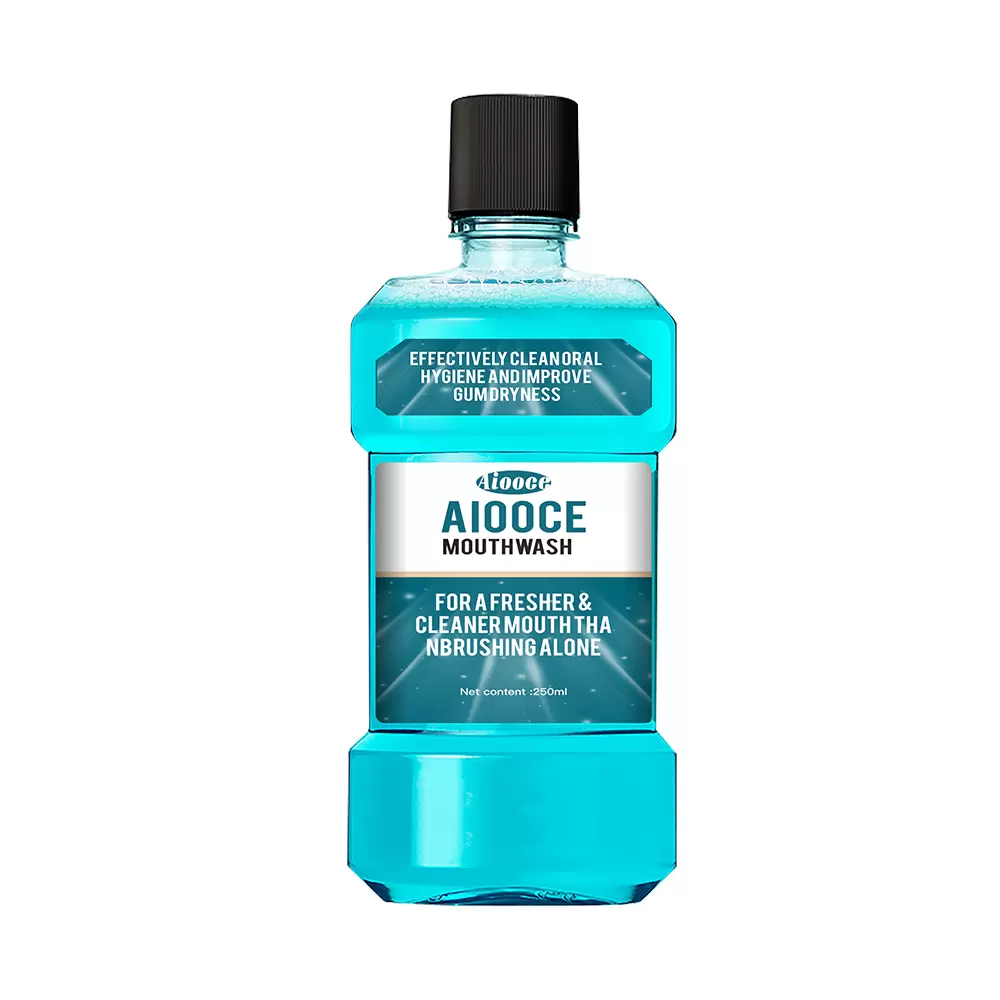
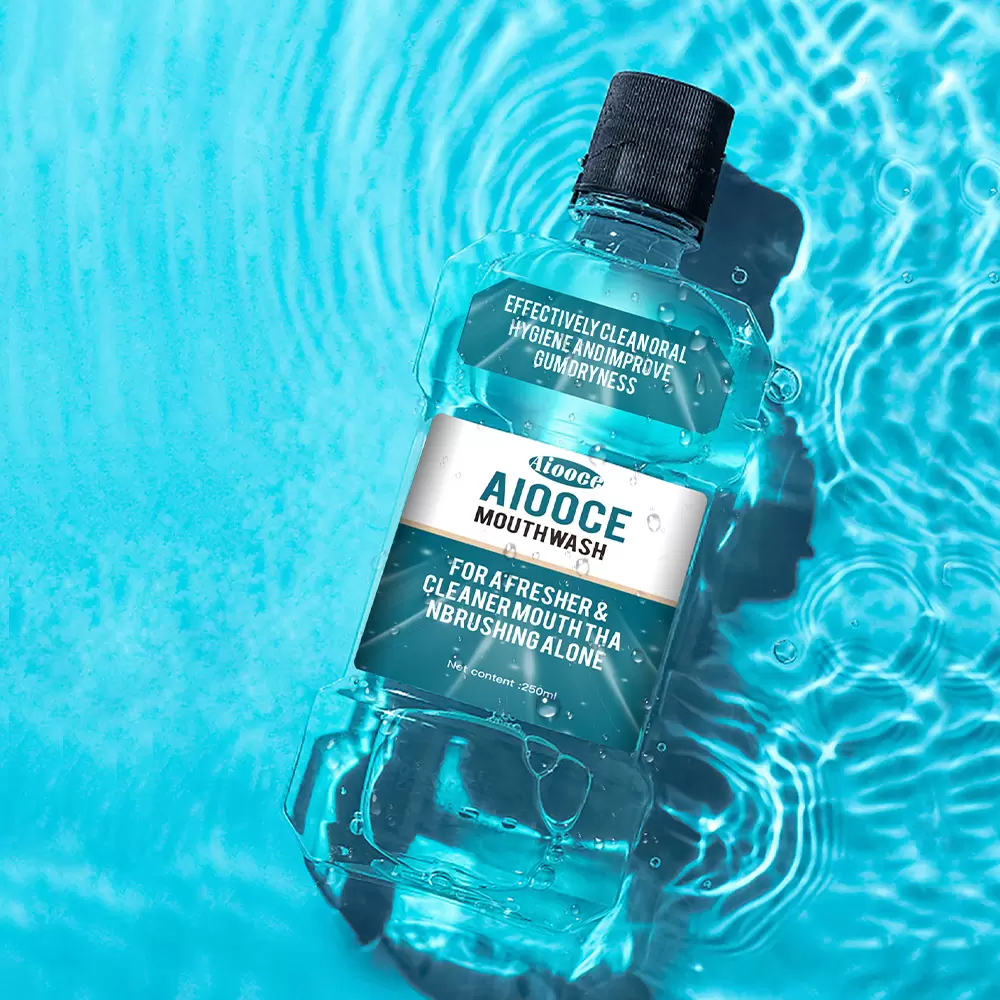
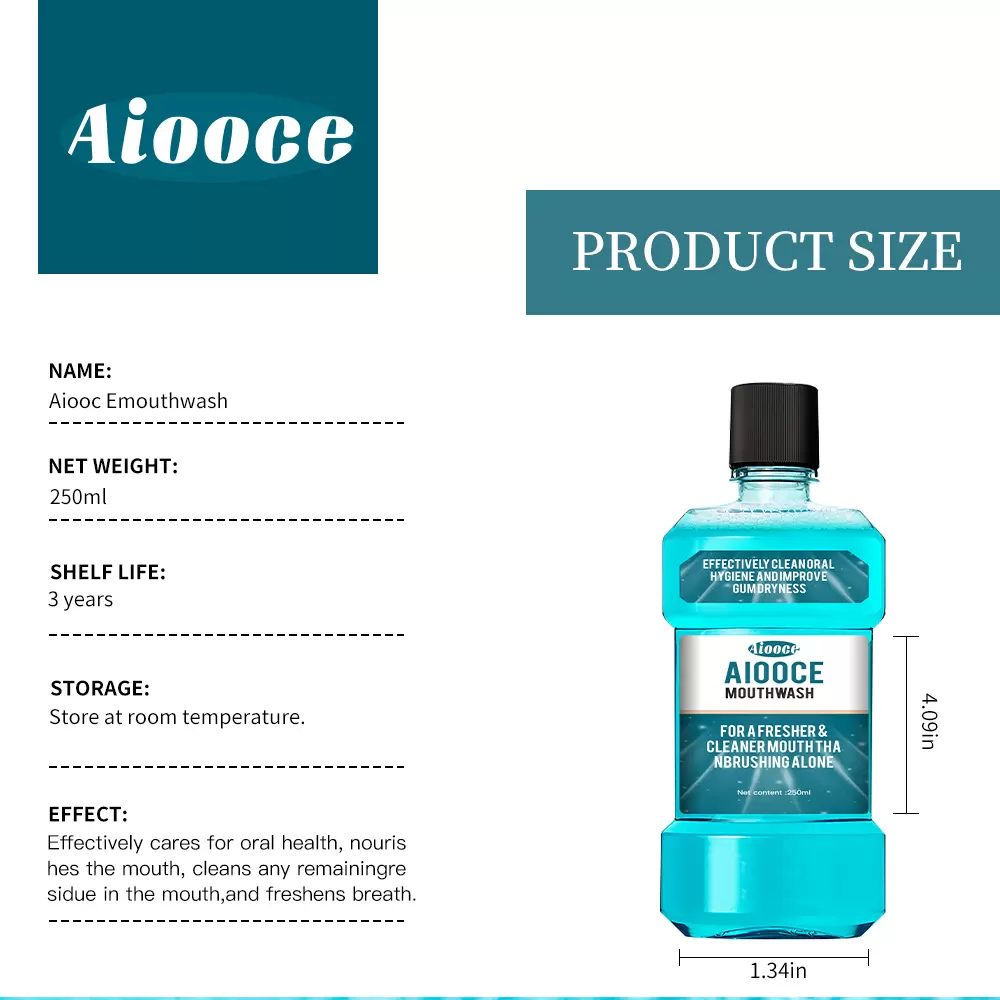
The Science and Art of Oral Wellness: A Comprehensive Guide to Modern Mouthwash
In the contemporary landscape of personal healthcare, mouthwash has evolved from a simple breath-freshening rinse into a sophisticated, science-backed cornerstone of comprehensive oral hygiene. Far more than just a minty afterthought, today’s advanced mouthwashes are potent, targeted solutions engineered to combat a myriad of oral health concerns, working in concert with brushing and flossing to complete the daily care regimen. This guide delves into the intricate world of mouthwash, exploring its functions, key ingredients, diverse types, and the pivotal role it plays in achieving and maintaining optimal oral health.
Beyond Fresh Breath: The Multifaceted Functions of Mouthwash
While delivering a burst of freshness is a universal and immediate benefit, the true value of a therapeutic mouthwash lies in its clinical actions. Its liquid formulation allows it to penetrate the complex ecosystem of the mouth—reaching interproximal spaces, the gingival sulcus, and the dorsal surface of the tongue where brushing may be less effective.
The primary functions include:
•
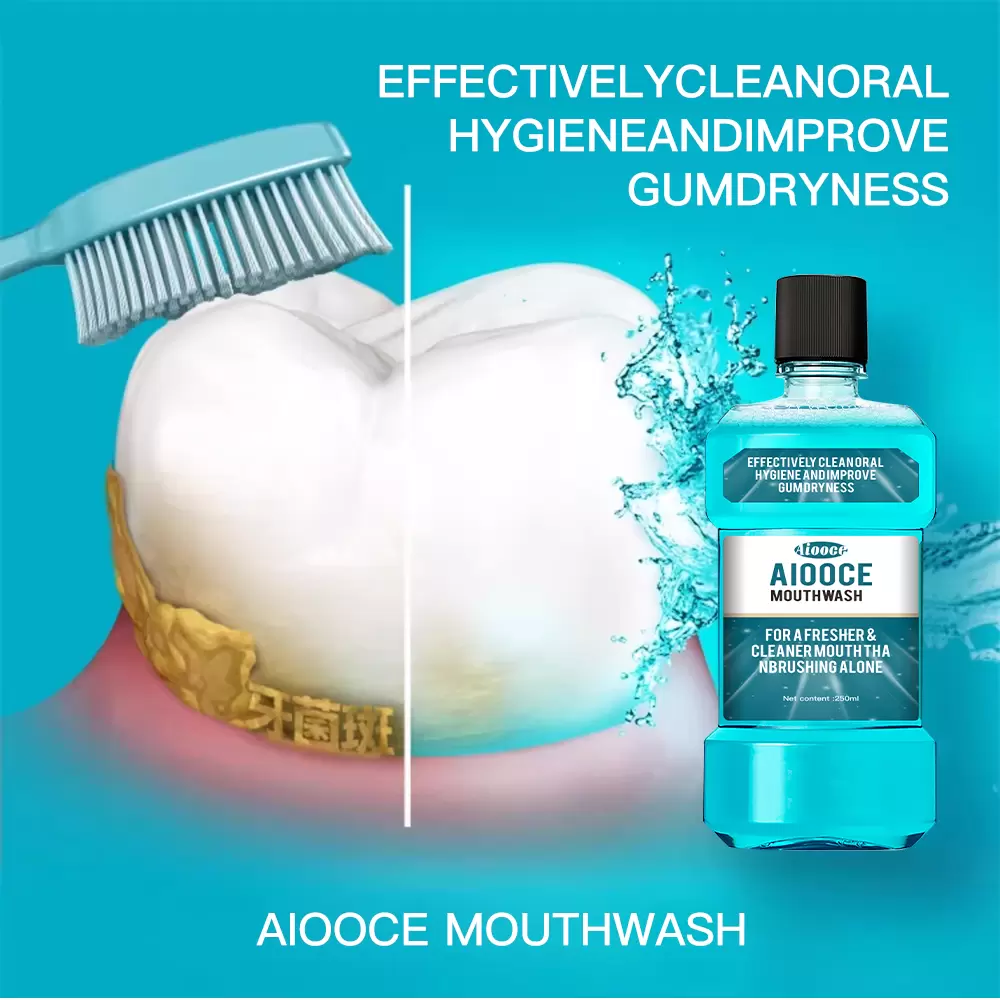
Chemical Plaque Control: Many mouthwashes contain antibacterial agents that help inhibit the growth and metabolism of plaque biofilm, the sticky, bacterial film that forms on teeth. By disrupting plaque formation, they reduce the primary cause of gingivitis (gum inflammation).
•
Gingivitis Prevention and Management: By reducing bacterial load and inflammation, anti-plaque/anti-gingivitis mouthwashes are a critical adjunctive tool in preventing and managing early gum disease, clinically proven to reduce gingival bleeding and inflammation.
•
Caries (Cavity) Prevention: Fluoride-containing mouthwashes strengthen tooth enamel through remineralization, making teeth more resistant to acid attacks from dietary sugars and plaque bacteria. This is especially beneficial for individuals at high risk of dental caries.
•
Halitosis Management: True, long-lasting breath freshening is achieved by targeting the volatile sulfur compounds (VSCs) produced by anaerobic bacteria on the tongue and in periodontal pockets. Antimicrobial and oxidizing agents neutralize these odor-causing compounds at the source.
•
Post-Operative Care: Following dental procedures like extractions, implants, or periodontal surgery, specific antimicrobial mouthwashes (often chlorhexidine-based) are prescribed to minimize the risk of infection and promote healing by controlling the microbial environment.
•
Symptomatic Relief: Mouthwashes formulated for sensitive teeth can help block exposed tubules in dentin, while those with soothing ingredients like aloe vera or glycerin can alleviate discomfort from minor irritations or aphthous ulcers (canker sores).
Decoding the Formula: Key Active Ingredients and Their Actions
The efficacy of a mouthwash is dictated by its active ingredients. Understanding these components empowers informed choices:
•
Cetylpyridinium Chloride (CPC): A broad-spectrum cationic antibacterial agent that disrupts bacterial cell membranes. It is effective against plaque and gingivitis-causing bacteria and is a common ingredient in over-the-counter anti-gingivitis rinses. It can cause temporary tooth staining in some users.
•
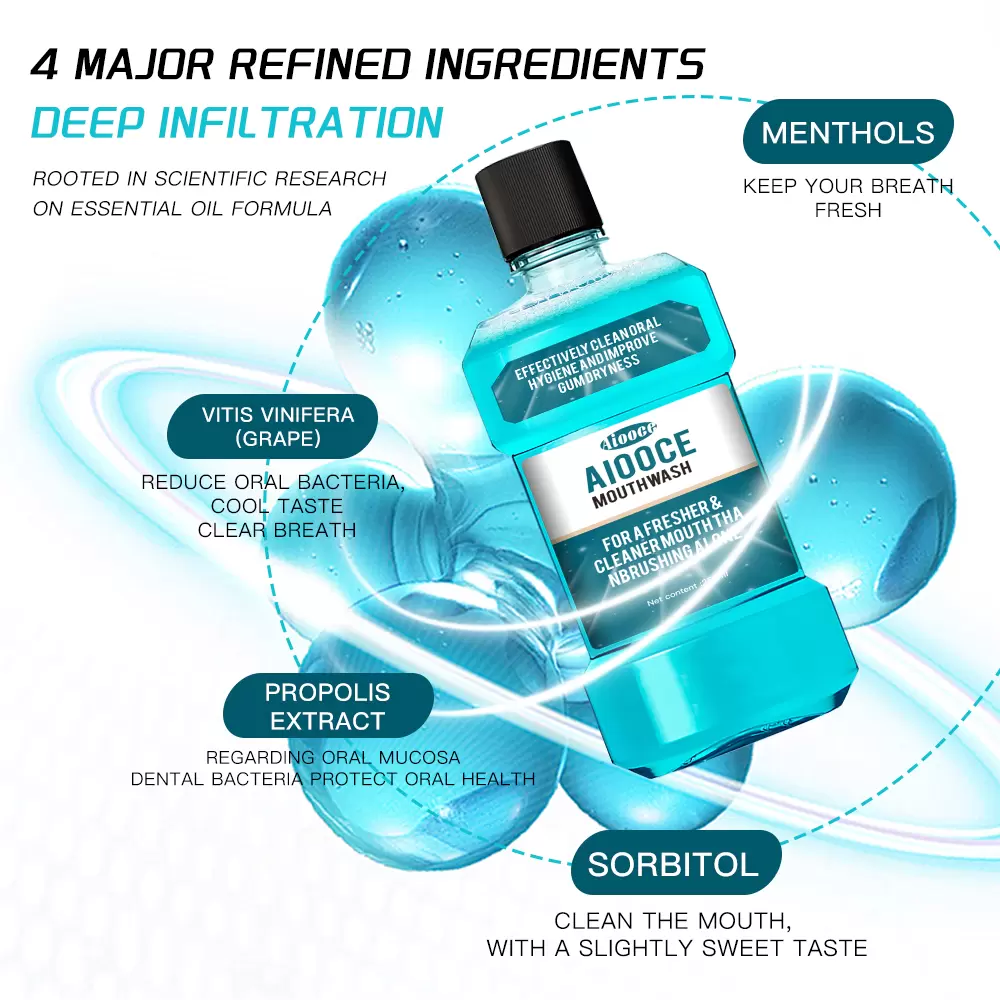
Essential Oils (Eucalyptol, Menthol, Thymol, Methyl Salicylate): Found in classic therapeutic rinses, this combination exhibits potent antibacterial and anti-inflammatory properties, penetrating plaque biofilm to kill bacteria and reduce gingival inflammation effectively.
•
Fluoride (typically Sodium Fluoride or Stannous Fluoride): The gold standard for caries prevention. Fluoride promotes remineralization of early enamel lesions and inhibits bacterial acid production. Stannous fluoride offers the dual benefit of antibacterial/antiplaque action and protection against sensitivity.
•
Chlorhexidine Gluconate (CHX): Considered the most potent prescription-grade antimicrobial rinse for short-term use. It is highly effective against a wide range of pathogens and is the benchmark for controlling plaque and gingivitis, especially post-surgery. Its limitations include potential tooth staining, altered taste perception, and tartar buildup with prolonged use.
•
Oxidizing Agents (e.g., Chlorine Dioxide, Sodium Chlorite): Primarily used in breath-freshening rinses, they neutralize volatile sulfur compounds (VSCs) through chemical oxidation, providing long-lasting odor control.
•
Alcohol: Traditionally used as a solvent and preservative. While it enhances the penetration of other ingredients and provides a “bite,” alcohol-free formulas are widely available and equally effective, recommended for children, those with dry mouth, or individuals avoiding alcohol.
Navigating the Choices: Selecting Your Ideal Mouthwash
The “best” mouthwash is the one that aligns with your specific oral health needs, which should be determined in consultation with your dentist or hygienist.
1.
For General Maintenance and Fresh Breath: Consider a cosmetic mouthwash with flavoring and antibacterial agents like CPC. Alcohol-free options are excellent for daily use.
2.
For Fighting Gingivitis and Plaque: Look for an Antiplaque/Antigingivitis mouthwash with ADA (American Dental Association) Seal of Acceptance. Key actives include essential oils, CPC, or stannous fluoride.
3.
For Cavity Prevention: Choose a fluoride rinse, particularly if your toothpaste is non-fluoridated or you are at high risk for decay. Use separately from brushing for maximum benefit.
4.
For Dry Mouth (Xerostomia): Select an alcohol-free rinse specifically formulated for dry mouth, containing moisturizing agents like xylitol, glycerin, or hydroxyethyl cellulose to soothe tissues and stimulate saliva.
5.
For Sensitivity: Use a mouthwash containing potassium nitrate or stannous fluoride, which helps block pain signals from the tooth nerve or occludes dentinal tubules.
6.
For Pre- and Post-Surgical Care: Always follow your dentist’s prescription, which will likely be a chlorhexidine rinse for a limited period to ensure optimal healing.
Integration and Best Practices
To maximize benefits, proper technique is crucial: brush and floss first to mechanically remove debris and plaque. Then, measure the correct dose (usually 20ml), rinse vigorously for 30 seconds to 1 full minute, ensuring the solution swishes between teeth and across all oral surfaces. Avoid eating or drinking for at least 30 minutes afterward to allow the active ingredients to remain effective. Crucially, mouthwash is an adjunct, not a replacement, for the mechanical removal of plaque via brushing and interdental cleaning.
In conclusion, the modern mouthwash represents a fusion of biomedical science and preventive care. By understanding its targeted actions and selecting a formula tailored to individual needs, it transforms from a mere rinse into a powerful, proactive tool for preserving not just a confident smile, but the fundamental health of the oral cavity—a true gateway to overall wellness.