




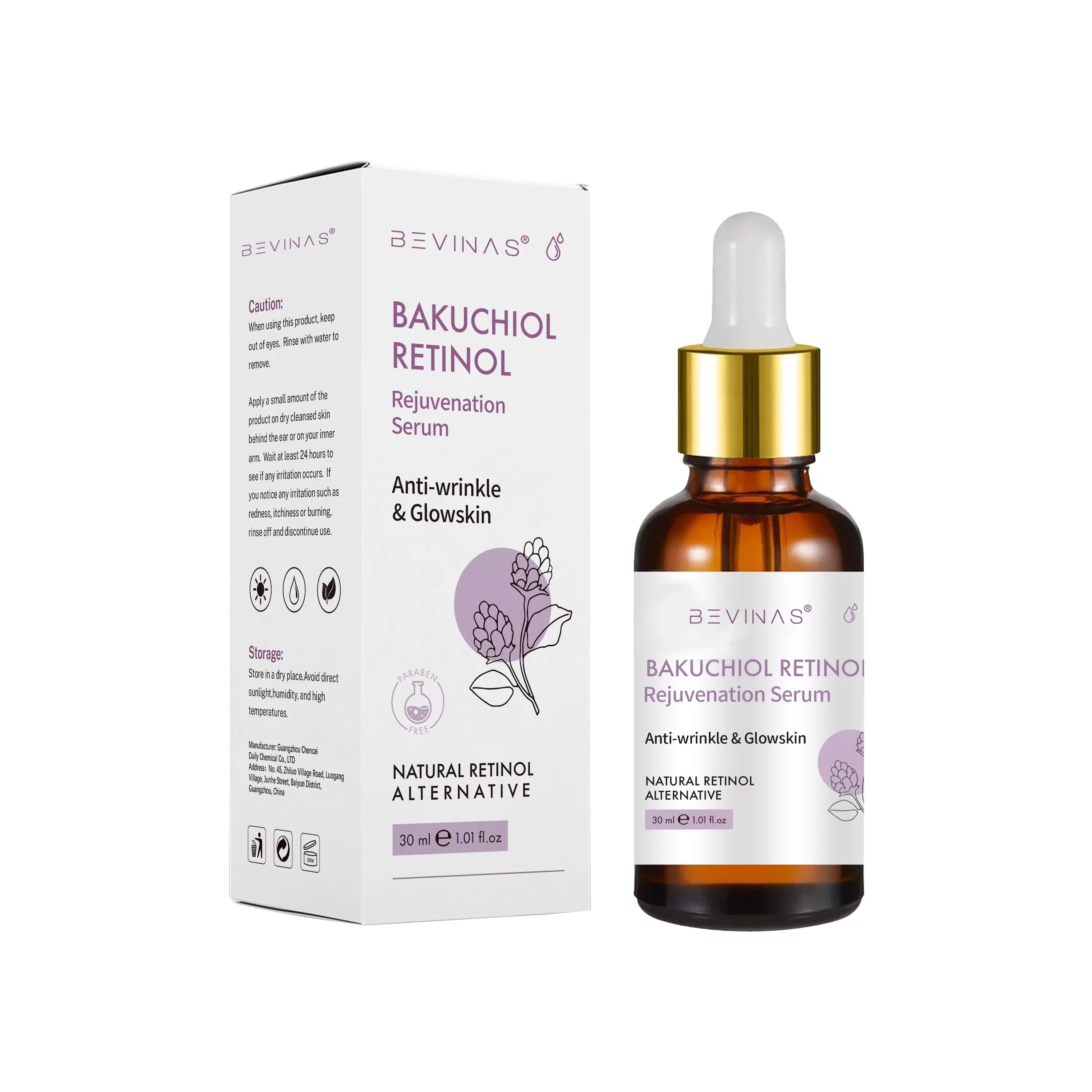
If you work with glass cosmetic bottles, you may have encountered a puzzling and frustrating issue: opening a box of beautifully crafted bottles intended for your premium serum or lotion, only to find them covered in a white, snowflake-like residue. At first glance, it is easy to mistake this for mold. However, this phenomenon is known as **glass blooming**, **weathering**, or **alkali leaching**.
This guide will explain exactly what glass bloom is, why it happens (especially in narrow-neck bottles), how to prevent it, and what you can do if it occurs. We will also explore why partnering with an experienced supplier like **Top Skincare Maker** is your best strategy for ensuring your packaging arrives in pristine condition.
## What is Glass Bloom (Alkali Leaching)?
Glass bloom is a white, hazy, or powdery film that appears on the surface of glass containers, particularly during storage . It is not a sign of mold or dirt, but a chemical reaction between the glass surface and its environment .
The “bloom” is primarily composed of **sodium carbonate (Na₂CO₃)** , a white salt that forms when the glass is attacked by moisture .
### The Science Behind the “Snow”
To understand bloom, we must look at how glass is made. Common glass (soda-lime glass) is created by melting silica sand (SiO₂) with **sodium carbonate (Na₂CO₃)** , which acts as a flux to lower the melting point of the silica . This process creates sodium silicate, which becomes part of the glass’s structure. However, this also makes the glass a potential “alkaline source.”
Here is the step-by-step process of how blooming occurs :
1. **Moisture Attack**: When glass is stored in a humid environment, a layer of moisture adsorbs onto its surface.
2. **Alkali Leaching**: This water begins to interact with the glass network, leaching out the alkali ions (like sodium) from the sodium silicate.
3. **Alkali Formation**: The leached sodium reacts with water to form sodium hydroxide (NaOH). This sodium hydroxide is a strong alkali that can further attack the glass surface.
4. **Carbonation**: The sodium hydroxide then reacts with carbon dioxide (CO₂) in the air to form **sodium carbonate (Na₂CO₃)** —the visible white powder we recognize as bloom .
This process is accelerated in **narrow-neck bottles** because air circulation inside the bottle is poor, trapping moisture and creating a concentrated environment for the reaction to occur.
## What Causes Glass Bloom?
The primary culprits are a combination of the glass’s inherent properties and its storage conditions.
### 1. Glass Quality and Composition
– **High Alkali Content**: Glass with a higher percentage of sodium or potassium is more susceptible to leaching .
– **Lack of Surface Treatment**: Quality glass manufacturers often apply surface treatments (like acid polishing or coating with specific agents) or use sulfur dioxide (SO₂) during the annealing process. This neutralizes the surface alkali, creating a more stable, weather-resistant layer . Bottles that skip this step are much more likely to bloom.
### 2. Environmental Factors (The Main Trigger)
– **Humidity**: This is the biggest enemy. Storing glass in damp basements or high-humidity warehouses provides the moisture needed to start the chemical reaction .
– **Temperature Fluctuations**: Daily or seasonal changes in temperature can cause condensation to form inside the packaging, especially inside narrow-neck bottles . This condensation acts as the perfect medium for alkali leaching.
– **Poor Ventilation**: Stacking boxes tightly together in a non-climate-controlled area prevents air circulation, allowing humidity to build up around the bottles.
## The Stages of Glass Bloom
Understanding the stages of bloom is critical because it determines whether the glass can be saved .
– **Stage 1: The Haze (Light Bloom)**
– **Appearance**: A light, foggy film on the glass that is barely noticeable. It looks like the glass has lost its shine.
– **Reversibility**: **Reversible.** At this stage, the deposit is only on the surface. It can usually be washed off with warm water, restoring the glass to its original clarity.
– **Stage 2: The Crystals (Moderate Bloom)**
– **Appearance**: Distinct white, snowflake-like, or powdery deposits on the glass. The glass looks “sugared.”
– **Reversibility**: **Potentially Reversible.** While the white crystals (carbonates) can be washed off, there is a risk that the glass surface underneath has begun to be etched.
– **Stage 3: The Etch (Severe/Irreversible Bloom)**
– **Appearance**: Permanent white spots, staining, or a rough, frosted texture that remains even after cleaning.
– **Reversibility**: **Irreversible.** If the concentrated alkali solution has been in contact with the glass too long, it doesn’t just deposit salts on top—it actually eats away at the glass itself, creating permanent damage . Bottles in this stage are unsalvageable and must be discarded.
## How to Prevent Glass Bloom
Prevention is far more cost-effective than trying to salvage bloomed glass. Here is how to protect your inventory:
1. **Control Your Storage Environment**: Store glass bottles in a cool, dry, and well-ventilated area. Avoid concrete floors where moisture can accumulate; use pallets. Ideally, maintain a stable temperature and low humidity .
2. **Avoid Rapid Temperature Changes**: Do not move cold glass directly into a warm, humid environment. Allow it to acclimate to prevent condensation.
3. **Manage Packaging**: If bottles are hot from the production line, ensure they are fully cooled before shrink-wrapping or sealing them in plastic. Trapping hot air that cools and condenses inside the wrapping is a guaranteed way to create bloom .
4. **Source Quality Glass**: Work with suppliers who prioritize glass stability. Ensure your manufacturer uses high-quality raw materials and performs surface treatments (like SO₂ treatment) to enhance chemical durability .
## How to Fix Glass Bloom (Cleaning Methods)
If you discover bloomed glass, assess the stage immediately. **Do not fill bottles with product until you have confirmed the glass is clean and undamaged.**
### Method 1: For Light Bloom (Warm Water Wash)
– **Process**: Soak the bottles in warm water for an extended period. The water will dissolve the water-soluble sodium carbonate crystals .
– **Follow-up**: Rinse thoroughly with clean water and allow them to dry completely in a dust-free environment.
### Method 2: For Moderate Bloom (Mild Acid Wash)
If water alone doesn’t work, the deposits are likely more stubborn. Since carbonates are alkaline, they react easily with acids.
– **Process**: Soak the bottles in a solution of water mixed with a mild acid, such as white vinegar (acetic acid) or a food-grade citric acid solution.
– **Caution**: This method is effective for dissolving the salts but can be harsh on decorations. **If your bottles have silk-screen printing, labels, or sprays, test the solution on a single bottle first** to ensure it does not fade or peel the print.
– **Final Step**: Rinse extremely thoroughly with clean water to remove all acid residue, then dry completely.
### Method 3: Ultrasonic Cleaning
For the best results without harsh scrubbing, an ultrasonic cleaner combined with a mild cleaning solution (water or dilute acid) can be highly effective. The ultrasonic waves gently remove the crystals from the surface and any crevices.
**A Warning on Degraded Glass:** If you have washed the bottles and the white marks remain, the glass is etched. This glass is permanently damaged and should **not** be used for cosmetic products. The compromised surface can be difficult to sanitize properly and may affect the stability of your formulation.
## Why Choose Top Skincare Maker for Your Packaging Needs
Navigating the complexities of glass packaging requires a partner who understands the science behind the materials. At **Top Skincare Maker**, we do more than just supply bottles; we provide solutions.
– **Quality Assurance:** We meticulously select materials and work with glass manufacturers who employ best practices, including proper surface treatments to minimize the risk of alkali leaching.
– **Expert Guidance:** We help our clients understand proper storage and handling procedures to ensure their packaging remains in pristine condition until it reaches the end consumer.
– **Premium Products:** From custom designs to stock solutions, our packaging is crafted to enhance your brand’s image, offering uncompromising quality designed for the unique you.
– **Full-Service Support:** We manage the complexities so you can focus on your formulations. With online payment security and fast delivery, we ensure a worry-free experience from order to fulfillment.
Glass bloom is a common but preventable issue in the cosmetic industry. By understanding that it is a chemical reaction triggered by humidity—not a defect in the glass itself—you can take proactive steps to store your packaging correctly. Should it occur, quick action with the proper cleaning methods can often save the glass.
For brands looking to minimize risk and ensure the highest quality packaging, partnering with a knowledgeable supplier is key.
**Protect your product’s image from the outside in.**
**Contact Top Skincare Maker today to discuss your packaging needs and how we can help you avoid common pitfalls like glass bloom.**